
Where nature, culture and art converge.
Ngorongoro Crater, a UNESCO World Heritage Site in Tanzania, is a breathtaking natural wonder and a haven for wildlife enthusiasts. This vast volcanic caldera harbors an unparalleled ecosystem, teeming with diverse flora and fauna. The crater’s floor is a unique sanctuary where an abundance of wildlife, including the iconic Big Five, thrives amidst stunning landscapes. Visitors to Ngorongoro are treated to an immersive safari experience, surrounded by the sheer beauty and ecological richness of this captivating natural masterpiece.
The best time to visit Ngorongoro Crater is during the dry season from June to October and January to February. Wildlife congregates around water sources, offering optimal viewing opportunities. However, the crater is accessible year-round, each season providing a unique experience in this UNESCO World Heritage Site.
It was here that Mary and Louis Leakey, over the course of more than 30 years of backbreaking work, unearthed the first well-dated fossils and artefacts of some of our earliest human ancestors.
Their discoveries include the famous Zinjanthropus (Australopithecus boisei) skull, as well as remains of Homo habilis, the presumed maker of the numerous early stone tools found in deposits ranging in age from 1.6 to 1.8 million years ago, and Homo erectus, the larger- bodied and larger- brained hominin that preceded the earliest modern humans (Homo sapiens).
The gorge may be visited year-round. It is necessary to have an official guide to visit the actual excavations.
The Empakaai crater is one of the multi-volcanic calderas in the Ngorongoro Conservation Area, probably with the highest rim of all and a beautiful lake that makes up more than 75% of its crater floor. Among the main attractions inside the crater is the large number of Flamingoes spotted around this Crater’s Lake coastline.
The crater rests on the Ngorongoro highlands and is surrounded by steep-sided wooded cliffs of about 300m high, characterized by lush-green natural vegetation, wildlife, and a variety of bird species. The crater is almost 8 kilometers wide, yet about half of its floor is covered by a deep soda lake, home to flamingoes and other water birds.

The Nasera rock is situated about 20 kilometers North of Olduvai Gorge. It’s just a few kilometers off the shifting sand behind Gol Mountain. It is a spectacular, 50 meter (165 feet) high inselberg located in the southwestern part of the Gol Mountains. The name is a Maasai-inspired word, ‘’Naasira,’’ which means striped, written or drawn. The drawings are said to be made by Maasai Nasera rock during ancient times when they used the area as temporal settlements or hiding burrows. These rocks are of the same age as those present in the South Hills and the Bao Site (859-500 mya). It might be the only known biggest fully exposed and complete inselberg in the region. The site has been internationally recognized for decades through its archaeological resources that have been excavated since the 1930s.

The new museum construction included the expansion and improvement of museum exhibits, enhancing the educational experience of the museum’s visitors, the addition of a cultural boma with spaces where visitors can explore aspects of Maasai culture, as well as a small restaurant and a covered theatre-like viewing platform that provides visitors with an inspiring view of the gorge. The new museum, visitor center, restaurant and theatre-like viewing platform were designed and built using quartzite stones.
Apart from the exhibitions inside the museum, there are also outdoor lecture areas where the museum curators give orientation presentations to visitors. At the museum, one can also plan a guided tour down the gorge to Zinj site about 1km, Mary Leakey Museum 2 km, Shifting sand 10km, Nasera Rock 33km and Olkarien Gorge 60km.

Olduvai Gorge Museum exhibits numerous fossils, stone tools of our hominid ancestors and skeletons of many extinct animals excavated in the gorge.
Mary Leakey founded the museum in 1970. In 2017, The Ngorongoro Conservation Area Authority replaced the original museum structure by constructing a new museum and visitors centre.
The Endoro Waterfalls is a fascinating place to be. This beautiful site is situated on the Southern border of the Ngorongoro Conservation Area, facing the Karatu Town. The pathway that leads to Endoro waterfall goes through the forest and the Elephant Caves. It takes approximately 2-3 hours of a moderate hike to explore the beauty of this completely untouched forest. Basically, the Endoro entrance gate, which is approximately 6.5 kilometers away from Karatu town, is an ideal access to the waterfalls.
The Endoro River, which flows all year round from the crater rim, is fed by natural water springs in the Crater highlands and cascades over 40 meters from the top to the bottom. The trail through a dense rainforest down the narrow stairway to the waterfall provides good physical exercise and is a perfect way to stretch after several hours of sitting in the car or after bedtime.

The pathway to this waterfall provides a spectacular perspective of the Karatu town and the southern end of the Ngorongoro Conservation Area highlands. The same route is recommended for bird lovers and those interested in huge wild game like elephants, buffaloes, and bush pigs.
The Olmoti Crater is named after the Maasai word, ‘Olmoti,’ meaning a big cooking pot due to its shape. Unlike the Ngorongoro Crater, Olmoti Crater is a shallow sunken caldera covered with grass and bisected by a river valley which provides a reliable water supply and suitable grazing pastures for wild animals throughout the year.
Its great vantage point offers a spectacular view of the environs, blended with grazing animals such as antelopes and elands. A beautiful view combined with protruding rocks strewn around the highest point and the end of the trails.
A spectacular view of Munge Waterfall from the famous Munge River, which drains into the Ngorongoro Crater, can be seen from the viewpoint. A pleasant stroll through the forest leads up to the crater rim before descending to the crater floor at Olmoti. The crater is covered by water streams, varieties of plants and wild species.

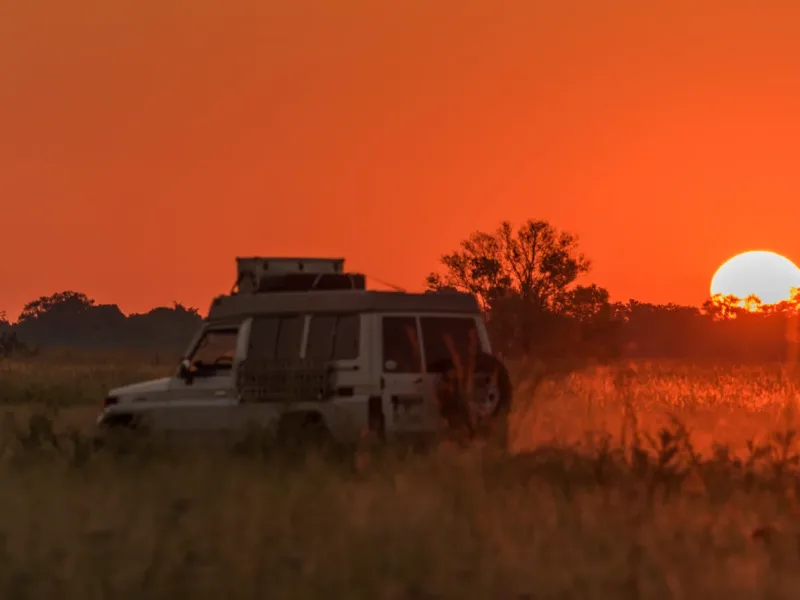
Take guided game drives through the Ngorongoro Crater, which is home to a vast range of wildlife, including the Big Five. The crater’s floor is teeming with animals such as elephants, buffaloes, lions, hyenas, and rhinos, making it one of the best places for game viewing.Game drives to the crater
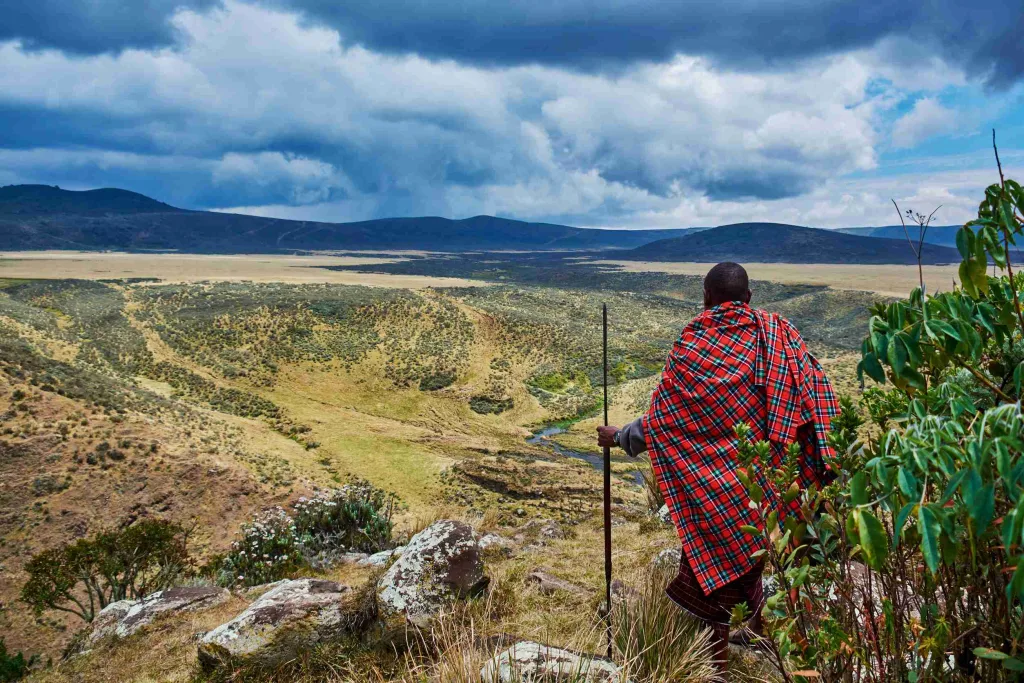
Explore the Maasai culture with visits to local villages around the crater. Learn about the Maasai people’s way of life, traditions, and their unique relationship with the land and wildlife.
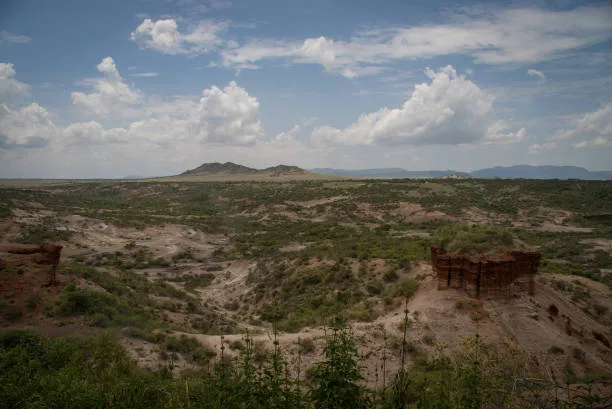
the historical significance of Olduvai Gorge, one of the most important paleoanthropological sites in the world. Learn about early human history and the discovery of ancient fossils and artifacts.